Online card games combine familiar rules with fast digital gameplay, making them accessible to both experienced players and newcomers. A strong approach starts with understanding the rules rather than immediately focusing on outcomes. Players should learn hand values, available actions, table limits, and the pace of each game before increasing their involvement. Since different card titles require different decisions, there is no universal strategy that guarantees a particular result. Observation, discipline, bankroll management, and a clear understanding of probability are more useful than relying on short streaks or emotional decisions.
A diverse environment built around familiar card formats
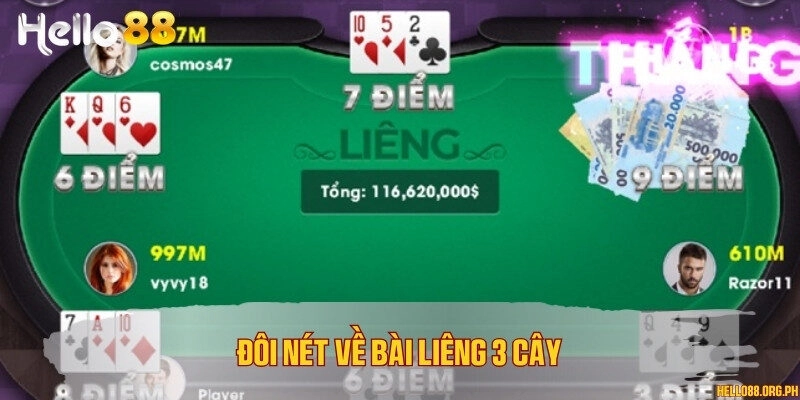
The appeal of online card games often comes from variety. Some titles emphasize hand comparison, while others involve drawing decisions, betting rounds, or combinations. This allows players to choose a format that matches their preferred pace and level of complexity.
Visitors exploring hello88 can review the available entertainment categories before deciding what type of game suits them. Starting with a familiar format can make it easier to understand the interface, controls, and general rhythm without taking unnecessary risks.
Learn the rules before developing a strategy
Every card game has its own structure. A strategy that makes sense in one format may be unsuitable in another. New players should first understand how a round begins, what actions are available, how hands are ranked, and when the round ends. This basic knowledge reduces avoidable mistakes. Once the rules are clear, players can begin studying patterns in their own decisions and identify situations where patience or a more conservative choice may be useful.
Understand the value of position and timing
Timing matters in many card games, but it should not be confused with predicting random outcomes. Position can influence how much information a player has before making a decision. When a format allows players to observe earlier actions, that information may help shape the next move. The goal is not to guess future cards with certainty but to use the information that is actually available and avoid decisions based solely on intuition.
Keep each session structured
A defined session is easier to manage than open ended play. Before starting, players can establish a time limit and a separate entertainment budget. These boundaries provide a clear stopping point regardless of short term results. A structured approach also makes it easier to review decisions afterward. Players can identify whether they followed their original plan rather than judging the entire session only by wins or losses.
Reading the table, adapting decisions, and controlling risk

Successful decision making begins with attention. Players should monitor the flow of the game, understand what information is visible, and avoid reacting too strongly to a single result. Short sequences can occur naturally and should not automatically be treated as predictive patterns.
The Game bài hello88 section gives users a focused route to card based entertainment. Anyone exploring these games should treat strategy as a way to organize decisions rather than as a promise of consistent returns.
Avoid chasing short term streaks
Several similar outcomes in a row can feel meaningful, but random sequences frequently contain clusters. Increasing stakes simply because a particular result has appeared repeatedly can expose the player to unnecessary risk. A more disciplined method is to keep decisions tied to the rules, the available information, and predetermined limits. If the game does not provide new relevant information, a streak by itself should not be treated as evidence that the next result is known.
Use smaller stakes while learning
Lower stakes provide room to understand a game’s pace without placing too much pressure on each decision. During this stage, players can focus on the interface, hand values, available actions, and timing. Once the mechanics become familiar, they can decide whether the game is appropriate for them. Increasing stakes should never be viewed as a necessary response to previous losses or as a shortcut to recovering a session.
Review decisions instead of only results
A good decision can sometimes produce an unfavorable outcome, while a weak decision can occasionally succeed. This distinction is important in games involving chance. Players who review only the final result may reinforce poor habits. A more useful review asks whether the rules were understood, whether limits were respected, and whether each action had a reasonable basis. This approach encourages consistency and reduces emotional reactions.
Building a more balanced long term experience

Card games are easier to manage when entertainment remains the central objective. Players benefit from setting boundaries, taking breaks, and recognizing when concentration has declined. Fatigue can affect judgment even when the rules are well understood.
Separate entertainment funds from essential money
A playing budget should be money that is not needed for bills, savings, debt payments, or other essential expenses. Keeping those categories separate creates a firm financial boundary. Once the entertainment allocation is exhausted, the session should end. Adding funds repeatedly after losses undermines the purpose of setting a budget and can turn a recreational activity into an unnecessary financial burden.
Take breaks after intense rounds
Fast digital play can make many rounds feel like one continuous sequence. Regular pauses interrupt that rhythm and give players time to reassess. A short break can help determine whether decisions are still deliberate or have become automatic. If frustration, urgency, or a strong desire to recover losses appears, stopping the session is generally more constructive than increasing activity.
Accept uncertainty as part of the game
No card strategy can remove randomness from a game that is designed around uncertain outcomes. Understanding this helps players avoid unrealistic expectations. Strategy is most useful for making informed choices where choices exist, managing resources, and maintaining discipline. It should not be presented as a system that guarantees profit or predicts future cards.
Conclusion
Online card games can provide an engaging experience when players combine rule knowledge with disciplined decision making. Learning each format, using manageable stakes, reviewing choices, and maintaining clear financial and time limits creates a more structured approach. Short streaks should not be mistaken for reliable predictions, and increasing stakes should never become a response to frustration. By accepting uncertainty and keeping entertainment as the primary purpose, players can approach card games with greater awareness, control, and consistency.
Read More Blogs Like This On Shayaribites.com. Also, Join WhatsApps Group For More Updates.